
Learn how to grow and use ginger effectively in your backyard landscaping. Discover the best soil, watering techniques, and how to integrate ginger into your garden landscaping with expert tips from DH Landscape Solutions.

Ginger (Zingiber officinale) is one of the most versatile and widely used plants in the world. With its rich history, distinctive aroma, and powerful medicinal properties, this tropical plant has been a staple in both kitchens and gardens for centuries. Whether you’re looking to grow ginger for culinary use, natural remedies, or ornamental beauty, this guide will walk you through everything you need to know to cultivate a thriving ginger plant at home. Plus, we’ll explore how incorporating ginger into your landscape design can enhance your backyard landscaping or garden landscaping efforts.
Why Grow Ginger?
Ginger is an incredibly rewarding plant to grow, especially if you love fresh, homegrown ingredients. Here’s why you should consider adding ginger to your garden and landscaping ideas:
- Health Benefits: Ginger is packed with antioxidants and has anti-inflammatory properties that aid digestion, reduce nausea, and boost immunity.
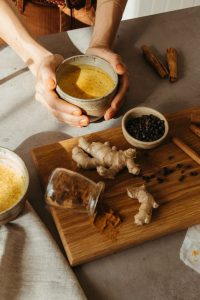
- Culinary Uses: From stir-fries and teas to baked goods and spice blends, ginger adds a warm, spicy kick to many dishes.
- Easy to Grow in Containers: Ginger thrives in pots, making it an excellent choice for front yard landscaping and small gardens, patios, or even indoor growing.
- Perennial Growth: In warm climates, ginger can be grown year-round, providing a continuous harvest.
- Aesthetic Appeal: Ginger plants bring lush greenery to any garden landscaping project and can be a great addition to landscaping services for tropical-themed gardens.
Now that we know why ginger is a fantastic plant to cultivate, let’s dive into the step-by-step process of growing it successfully.
Step 1: Choosing the Right Ginger Rhizome
Ginger grows from rhizomes, which are underground stems that store nutrients and produce new shoots. When selecting ginger to plant, follow these key tips:
- Buy Fresh, Organic Ginger: Look for plump, firm ginger rhizomes with well-developed “eyes” or buds.
- Avoid Shrivelled or Moldy Pieces: Old or damaged ginger will struggle to sprout.
- Opt for Large Pieces: The bigger the rhizome, the faster and more vigorously it will grow.
💡 Pro Tip: If you can find “seed ginger” from a garden center, that’s even better since it hasn’t been treated with growth inhibitors.
Step 2: Preparing the Ginger for Planting
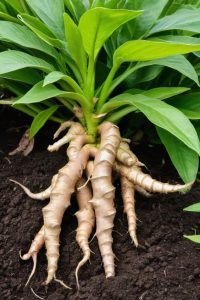
- Soak the Rhizomes: Place your ginger pieces in water for 8-12 hours to rehydrate them.
- Break Large Pieces: If your ginger rhizome is too large, cut it into sections, ensuring each piece has at least one or two “eyes.”
- Let It Dry: Allow the cut sections to dry for a day to prevent rot when planted.
Step 3: Choosing the Right Container and Soil
Since ginger grows horizontally, it’s best to use a wide, shallow container instead of a deep pot.
- Container Size: A pot that’s at least 12-18 inches wide and 8-10 inches deep is ideal.
- Drainage: Ensure the pot has drainage holes to prevent soggy soil.
- Best Soil Mix: Use a rich, well-draining potting mix with compost or organic matter to provide nutrients.
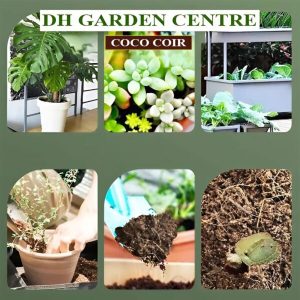
- Ideal for Landscaping: If you’re incorporating ginger into landscape design, consider raised beds or decorative containers to complement your overall garden landscaping.
🌿 Ginger prefers slightly acidic soil with a pH of around 5.5-6.5.
Step 4: Planting the Ginger
Once your rhizomes are ready, follow these planting steps:
- Position the Rhizome: Place the ginger piece horizontally in the soil with the eyes facing upward.
- Cover Lightly: Add about 1 inch of soil over the rhizome.
- Water Gently: Give it a light watering to moisten the soil without over-saturating it.
📍 Ginger is a slow grower, so be patient—it can take a few weeks before shoots emerge.
Step 5: Providing the Right Growing Conditions
Ginger thrives in warm, humid environments. Here’s how to create the perfect conditions for your plant:
- Temperature: Keep it in a warm spot (75-85°F or 24-29°C).
- Light: Ginger prefers partial shade rather than direct sun.
- Watering: Keep the soil consistently moist but not soggy.
- Mulching: Add a layer of organic mulch to retain moisture and keep weeds at bay.
- Landscaping Integration: Ginger pairs well with other tropical plants in backyard landscaping projects, creating a lush and vibrant aesthetic.
Conclusion: Start Growing Your Own Epic Ginger Harvest!
Ginger is one of the easiest plants to grow, and with the right care, you can enjoy a steady supply of fresh, homegrown ginger for cooking, medicine, and more. Whether you plant it in containers or garden beds, following these steps will ensure an epic harvest.
If you’re looking for professional help, consider landscaping services from DH Landscape Solutions to create the perfect garden space that complements your ginger cultivation.
So why not start growing ginger today? 🌱 Let us know in the comments if you have any questions or share your ginger-growing experiences! Happy gardening and landscaping! 🌿🌞
Exclusive Offer from DH Landscape Solutions

Whether you’re planning backyard landscaping, green landscaping, or need help with Landscaping Services, DH Landscape Solution ensures your garden flourishes. Get ahead in your Landscaping Services with DH Landscape Solution. Recognized as the best landscaping company and the best landscaping company in Vancouver, we offer unparalleled expertise to help you achieve your gardening and landscaping goals. For a limited time, enjoy a free Landscaping Services consultation and receive 20% off. Whether you’re planning backyard landscaping or need expert advice for landscaping services, we’re here to help. Contact us today to claim your voucher and take the first step toward greener gardening.
